Purley Way retail park deep cleaning for Croydon stores
If you run a shop, cafe, showroom, or service unit near Purley Way, you already know the tricky part is not just keeping things "clean" - it is keeping them presentable while footfall, stock handling, deliveries, and everyday mess keep rolling in. Purley Way retail park deep cleaning for Croydon stores is the kind of reset that tackles the grime customers notice, the hidden dirt staff work around, and the stubborn build-up that regular sweeping or wiping simply misses. Truth be told, it can make a place feel better the moment you walk in.
This guide explains what deep cleaning actually involves, why it matters for retail environments in Croydon, how it is typically carried out, and what good results look like in the real world. You will also find a practical checklist, common mistakes to avoid, and a simple comparison of methods so you can decide what makes sense for your unit. If you need a broader service overview, the team's commercial cleaning and deep cleaning pages are useful starting points.
Why Purley Way retail park deep cleaning for Croydon stores Matters
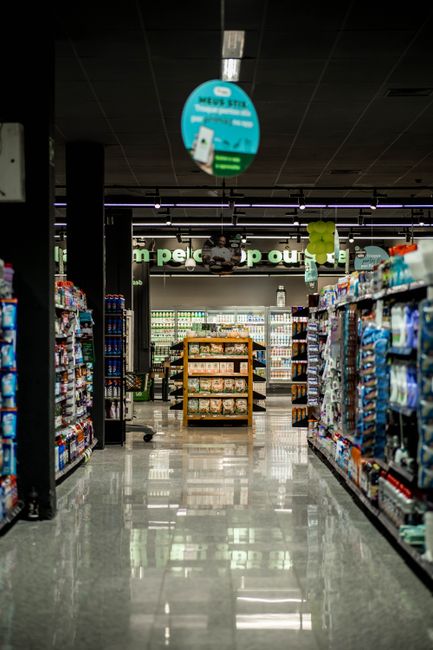
Retail parks move fast. Customers come and go, trolleys bump skirting boards, packaging dust settles in corners, and floors pick up whatever the weather drags in. On a wet Croydon afternoon, that often means more than just a few footprints - you get a slurry of grit, moisture, salt, and small bits of debris that creep into entrance mats, tiles, grout lines, and display edges. Over time, the store starts to look tired even if staff are doing their best every day.
That is where a proper deep clean earns its keep. It is not only about visual appeal, although that matters a lot in retail. It is also about hygiene, slip reduction, odour control, protecting fixtures and flooring, and making the shop feel cared for. Customers may not consciously notice a freshly cleaned extraction fan grille or the inside edge of a kick plate, but they do notice the overall impression. Let's face it, people feel the difference before they can explain it.
For Croydon stores in high-footfall zones like Purley Way, deep cleaning also helps when you are:
- preparing for a seasonal refresh or promotional event
- opening a new unit or re-launching after a refurbishment
- dealing with persistent dirt in entrance areas, toilets, stockrooms, or staff rooms
- recovering from building dust, spillages, or a particularly busy trading period
- trying to bring consistency back after weeks of "we'll get to it tomorrow"
There is a point where regular cleaning stops being enough. Deep cleaning bridges that gap. It reaches behind counters, around shelving bases, under movable equipment, along corners, and into the areas that quietly collect the most wear. For many businesses, it is the difference between "acceptable" and genuinely well run.
How Purley Way retail park deep cleaning for Croydon stores Works
A good deep clean is planned, not improvised. The job usually starts with a quick walk-through so the cleaner can identify problem areas, surfaces, and access issues. A retail store is never just "a room"; it has customer-facing zones, stock storage, back-of-house spaces, glazed surfaces, hard floors, possible carpeted areas, and often a mixture of materials that need different treatment. One-size-fits-all cleaning is rarely enough.
In practice, the work is usually split into stages:
- Survey and scope - identify what is included, what is delicate, and what needs specialist treatment.
- Preparation - move light items, protect stock, isolate areas where needed, and clear access routes.
- Dusting and dry removal - remove loose dirt from high and low points before introducing moisture.
- Detail cleaning - sanitise touchpoints, shelves, trims, skirtings, doors, handles, and service counters.
- Floor care - vacuum, mop, scrub, or machine-clean depending on floor type and condition.
- Targeted treatment - stain removal, spot treatment, odour control, and built-up grease or residue removal where relevant.
- Final inspection - check finish, drying, safety, and any missed details.
The exact method depends on the unit. A fashion retailer needs a different approach from a cafe, a pharmacy-style environment, or a tech showroom. For example, a glazed retail frontage may benefit from window cleaning, while an interior with hard flooring may need hard floor cleaning to restore shine without leaving residues. If the unit has seating, waiting areas, or display furniture, upholstery cleaning and sofa cleaning may also be relevant.
Some stores also benefit from carpet-focused work in staff areas or entrance zones. In those cases, steam carpet cleaning is often the most effective route for lifting embedded dirt. If you are dealing with marking, scuffs, or localised spills, then structured stain removal can prevent a small issue becoming a permanent eyesore.
Key Benefits and Practical Advantages
There are obvious benefits, and then there are the quieter ones that show up over the following weeks. The obvious one is presentation. A clean store feels brighter, more open, and more trustworthy. The quieter benefits are often where the real value sits.
- Better first impressions: customers are more likely to stay, browse, and return when the environment feels cared for.
- Reduced grime build-up: deep cleaning interrupts the slow accumulation that makes day-to-day cleaning harder.
- Safer floors and touchpoints: removing grease, dust, and residue can improve grip and reduce smears.
- Longer life for fixtures and flooring: regular deep treatment helps protect materials from premature wear.
- Improved staff environment: teams work better in spaces that smell fresher and feel less cluttered by dirt.
- Better readiness for inspections or busy periods: seasonal sales, audits, or launch days become far less stressful.
There is also a practical rhythm to it. Many stores find that a scheduled deep clean, paired with regular cleaning, gives a much better result than trying to "catch up" after months of neglect. It is a bit like maintaining a car. You can keep driving without servicing it for a while, sure, but eventually everything starts to feel rough.
Expert summary: For retail units, the best deep cleaning jobs are the ones that deal with visible dirt, hidden build-up, and high-contact areas in one organised pass. That creates a cleaner look now and less rework later.
Who This Is For and When It Makes Sense
This type of cleaning suits a wide range of Croydon businesses. Retail parks are busy, and the same unit can change from pristine to grubby surprisingly quickly. If you manage or own a store on or near Purley Way, deep cleaning probably makes sense if any of the following sound familiar.
- You have visible dirt in corners, around fixtures, or on high-touch surfaces.
- Your flooring looks dull even after routine cleaning.
- Stockroom areas are cluttered with dust, cardboard residue, or spills.
- Staff have complained about smells, sticky spots, or tired-looking finishes.
- You are preparing for a rebrand, sale, audit, or photo shoot.
- You have just completed repairs or fit-out work and need a proper reset.
It is especially useful if your unit has mixed materials - for example, tiles out front, carpet tiles in a back office, fabric chairs in a waiting area, and glossy counters that show every fingerprint. One cleaner can wipe these down all day and still miss the deeper problem. A structured clean gets the whole picture.
If the space has recently been renovated or refreshed, pairing it with after builders cleaning can be sensible. Post-work dust is sneaky. It gets into tracks, vents, edges, and light fittings, then reappears when you think you have finished. Annoying, but very normal.
Step-by-Step Guidance
If you are planning a deep clean for a Purley Way retail unit, it helps to think in terms of preparation, execution, and follow-up. Here is a simple process that usually works well.
- Define the goal. Are you targeting presentation, hygiene, odour, move-in readiness, or post-refurbishment dust? Be specific.
- Walk the site. Note flooring types, carpeted areas, fragile displays, storage constraints, and any access challenges.
- Prioritise high-impact zones. Entrances, tills, changing areas, toilets, break rooms, and customer waiting spots usually deserve first attention.
- Protect stock and equipment. Move items where possible, cover sensitive surfaces, and keep pathways clear.
- Clean from top to bottom. Dust high surfaces first, then shelves, then fixtures, then floors. It saves work. Always.
- Treat problem areas separately. Handle stains, greasy spots, odours, or scuffs with the right method instead of a general wipe.
- Finish with inspection. Check corners, under counters, around trims, and near door thresholds before signing off.
- Plan the maintenance reset. Decide what gets kept on a regular schedule so the deep clean actually lasts.
A useful clarification: a deep clean is not just "more of the same." It should be more detailed, more methodical, and more focused on areas that are hard to reach during business hours. That is why many retail managers prefer to schedule it before opening, after closing, or during quieter trading windows.
Expert Tips for Better Results
Small decisions make a big difference here. In our experience, the best retail cleans are rarely the flashiest ones; they are the ones that are well sequenced and carefully matched to the property. A few practical tips can save time and improve the finish.
- Clean the entry zone first thing: it sets the standard for the rest of the unit and prevents dirt being dragged deeper inside.
- Use material-specific methods: what works on vinyl might not suit laminate, and what suits laminate may not suit natural stone.
- Don't forget vertical surfaces: doors, panels, skirtings, kick plates, and the sides of counters collect more grime than people think.
- Tackle odours at the source: maskers are not enough if the smell is coming from soft furnishings, bins, drains, or damp textiles.
- Make room for drying time: a rushed reopening can undo half the good work.
If your store includes staff seating, fabric chairs, or waiting area furniture, combining the clean with curtain cleaning or targeted pet stain odour removal in relevant settings can help with lingering smells. Not every retail unit needs that, of course, but the principle is the same: treat the source, not just the surface.
One more thing. Ask how the clean will be staged around your trading schedule. A cleaner who understands retail flow will usually plan around delivery times, customer peaks, and staff movement. That sounds basic, yet it is often what separates a smooth job from a messy one.
Common Mistakes to Avoid
Retail deep cleaning goes wrong in predictable ways. The good news is that most of them are avoidable if you know what to look for.
- Leaving it too long: a store that goes months without detail cleaning becomes harder and more expensive to refresh.
- Using the wrong product on the wrong surface: some finishes haze, mark, or lose sheen if they are cleaned carelessly.
- Ignoring back-of-house spaces: stockrooms, corridors, and staff rooms affect the overall feel more than many managers expect.
- Cleaning around clutter: dirt hides under boxes, displays, cable runs, and movable fixtures.
- Skipping touchpoints: handles, card reader areas, rails, and buttons are high-contact and should not be an afterthought.
A more subtle mistake is asking for a "quick deep clean." That phrase sounds efficient, but in practice it can mean missed detail and a finish that only lasts a couple of days. Better to be clear about priorities and timings. A proper job needs breathing room.
Another one - and this happens a lot - is forgetting the floors until the end. By the time everything else looks smart, dirty flooring suddenly stands out like a scuff on a new shoe.
Tools, Resources and Recommendations
You do not need to become a cleaning expert to manage a good result, but it helps to understand the sort of equipment and supplies a professional team may use. The exact kit depends on the surfaces in your store, yet the general idea is straightforward.
| Method or tool | Best for | What it helps with |
|---|---|---|
| Microfibre detailing | Shelves, counters, fixtures | Dust, fingerprints, light soil |
| Steam extraction | Carpets and some upholstery | Embedded dirt, deeper refresh |
| Machine scrubbing | Hard floors and tiled areas | Ground-in grime and dullness |
| Spot treatment | Localised marks and spills | Stains before they become permanent |
| Glass and frame finishing | Front windows and internal glass | Smears, dust, and presentation |
If your unit has carpeted sections, ask about a dedicated carpet cleaning approach rather than relying on general vacuuming alone. For mixed-use spaces, a combined package can be more practical than piecing everything together separately. If you are budgeting, the site's pricing and quotes page is the sensible place to start. And for service reassurance, it is worth reading the company's insurance and safety information and health and safety policy.
That sort of background matters more than people think. In a retail setting, you want the work done carefully, quietly, and without unnecessary disruption. No drama, no surprises.
Law, Compliance, Standards, or Best Practice
Retail cleaning in the UK touches on a few important best-practice areas: workplace safety, safe use of chemicals, manual handling, slip prevention, waste handling, and care around occupied premises. The exact obligations depend on the business and the work involved, so it is wise to treat compliance as a practical discipline rather than a box-ticking exercise.
For store managers, that usually means checking a few basics:
- cleaning methods should not create avoidable slip risks
- products should be used safely and stored properly
- work should be planned to avoid disrupting customers and staff unnecessarily
- access routes should remain clear where possible
- waste should be removed responsibly and not left in public areas
It is also sensible to use a provider that takes privacy, payment handling, and service terms seriously. That sounds administrative, but retail managers know the difference between a polished operation and an unreliable one. If you want to see how a provider frames this side of the work, the pages for payment and security, privacy policy, and terms and conditions are worth a look.
For businesses that care about greener working habits, the recycling and sustainability page may also be relevant. In a retail park environment, sensible waste reduction and responsible disposal are not just nice-to-haves; they are part of running a tidy operation.
Options, Methods, or Comparison Table
Not every store needs the same level of cleaning every time. Sometimes a light refresh is enough. Sometimes you really do need the full reset. Here is a simple comparison to help you judge what fits.
| Approach | Best use case | Strengths | Limitations |
|---|---|---|---|
| Regular cleaning | Daily or weekly upkeep | Keeps visible dirt down and maintains order | Usually not enough for deep build-up |
| One-off cleaning | Occasional refresh or event prep | Flexible and useful for quick resets | May not address embedded grime fully |
| Deep cleaning | Heavy soil, seasonal refresh, post-work reset | Most thorough, best for neglected areas | Needs more time and planning |
| Commercial carpet or floor treatment | Specific surface problems | Targets the material properly | May need to be combined with broader cleaning |
In many cases, the best answer is not either/or. It is a combination. A retail park store might use one-off cleaning after a busy promotional period, then move into regular maintenance, then schedule a deep clean a few times a year. That pattern is much easier to sustain than trying to chase problems once they have built up.
Case Study or Real-World Example
Imagine a mid-sized Croydon retail unit with a glazed frontage, hard flooring at the entrance, carpet tiles in the back office, and a small staff rest area. Over time, the front of shop starts to look fine from a distance but tired up close: dull flooring by the door, smudged skirting, fingerprints on internal glass, and a faint smell of damp coats after rainy days.
The team books a deep clean outside trading hours. First, the clutter is reduced and mobile items are shifted aside. The front windows are cleaned, the reception counters are detailed, the flooring is treated, and the carpet tile edges are refreshed. The back office gets a proper vacuum, spot treatment, and careful attention around cables and chair legs. In the staff area, the goal is not perfection for the sake of it - it is to remove the lingering build-up that everyone had stopped noticing.
By the next morning, the difference is subtle and obvious at the same time. The store does not look artificially polished. It just looks looked after. And that is often what customers respond to. Not sparkle for sparkle's sake, but a clean, calm, organised space. Small thing? Maybe. But it affects how long people stay, how staff feel, and how the place is remembered later.
Practical Checklist
Use this checklist before booking or carrying out a retail deep clean.
- Identify all customer-facing and back-of-house areas that need attention.
- Note floor types, soft furnishings, and any delicate materials.
- Remove or secure stock, paperwork, and loose equipment.
- Decide on the best time window to avoid trading disruption.
- Flag stains, odours, scuffs, or problem zones in advance.
- Confirm whether windows, carpets, upholstery, or hard floors are included.
- Check the provider's safety, insurance, and service terms.
- Plan drying time and any reopening buffer.
- Set up a follow-up routine so the result lasts longer.
Quick reminder: if your retail unit has been affected by work, dust, or layout changes, it may help to pair deep cleaning with one-off cleaning or a more targeted specialist service. That way, you are not paying for two separate reactions to the same problem.
Conclusion
Purley Way retail park deep cleaning for Croydon stores is really about control. Control over presentation, control over hygiene, control over the hidden build-up that makes a space feel worn before it should. For busy units, especially those with steady footfall and mixed surfaces, a proper deep clean can reset the whole environment in a way routine cleaning simply cannot.
The key is to plan it properly, match the method to the materials, and think about what happens afterwards. A good clean is not just a nice finish for one day. It is a practical reset that helps your store function better, look sharper, and feel more welcoming for longer. That is the part people remember, even if they never say it out loud.
Get a free quote today and see how much you can save.
When a store feels fresh, people notice. And honestly, so do the team.
Frequently Asked Questions
What is included in Purley Way retail park deep cleaning for Croydon stores?
It usually includes detailed cleaning of customer areas, back-of-house spaces, touchpoints, floors, skirtings, fixtures, and problem areas such as stains or odours. Exact inclusions depend on the unit and the agreed scope.
How often should a retail store in Croydon have a deep clean?
There is no fixed rule, because footfall and store type vary. Many businesses schedule it seasonally, after refurbishments, or whenever routine cleaning is no longer keeping the space at the right standard.
Is deep cleaning different from regular cleaning?
Yes. Regular cleaning maintains day-to-day standards, while deep cleaning targets hidden dirt, build-up, and areas that are not cleaned thoroughly during normal routines.
Can deep cleaning be done outside trading hours?
Usually, yes. In fact, that is often the easiest option for retail units because it reduces disruption and gives time for drying, finishing, and final checks.
Will deep cleaning help with bad smells in a store?
It can, especially if the smell is caused by damp textiles, bins, carpet build-up, or residue in hidden areas. The key is treating the source rather than masking it.
What surfaces are most commonly neglected in retail units?
Corners, skirting boards, door edges, under counters, back-room flooring, high-touch handles, and the sides or bases of displays are often overlooked during routine cleaning.
Do I need specialist cleaning for carpets and upholstery?
If your store has carpeted sections, seating, or fabric furnishings, specialist treatment is usually a better fit than general cleaning. It helps lift embedded dirt and refresh the material more properly.
How should I prepare my store before a deep clean?
Clear loose items, protect stock, identify priority areas, and make sure the cleaning team can access floors, counters, and corners. A short walk-through before the job starts saves a lot of time.
Is it worth cleaning windows and glass at the same time?
Yes, especially for retail fronts. Clean glass changes the first impression immediately, and it often makes the whole unit look brighter and more open.
What should I look for in a cleaning provider?
Look for clear service scope, sensible timing, relevant insurance, attention to safety, and a practical understanding of retail spaces. A provider that asks good questions up front is usually a good sign.
Can deep cleaning be combined with other services?
Absolutely. It is often combined with commercial carpet cleaning, office cleaning, window cleaning, or hard floor treatment depending on the layout of the store.
What is the biggest mistake retail managers make with deep cleaning?
The biggest mistake is waiting too long. Once grime becomes embedded, the job takes more time, more effort, and more attention to detail. Regular maintenance makes everything easier, boring as that may sound.